

our blog
Multifamily has embraced the podcast. That part is working. What isn’t working is what happens next...when the conversation ends where it should have started.
Every year, companies drop tens of thousands of dollars on conferences. The investment is real. The return is often not. Is it a conference problem or a preparation problem?
The tour is a blind spot in the leasing funnel. Siro is a new tool that supports leasing agents by recording tours so they focus on the human connection.
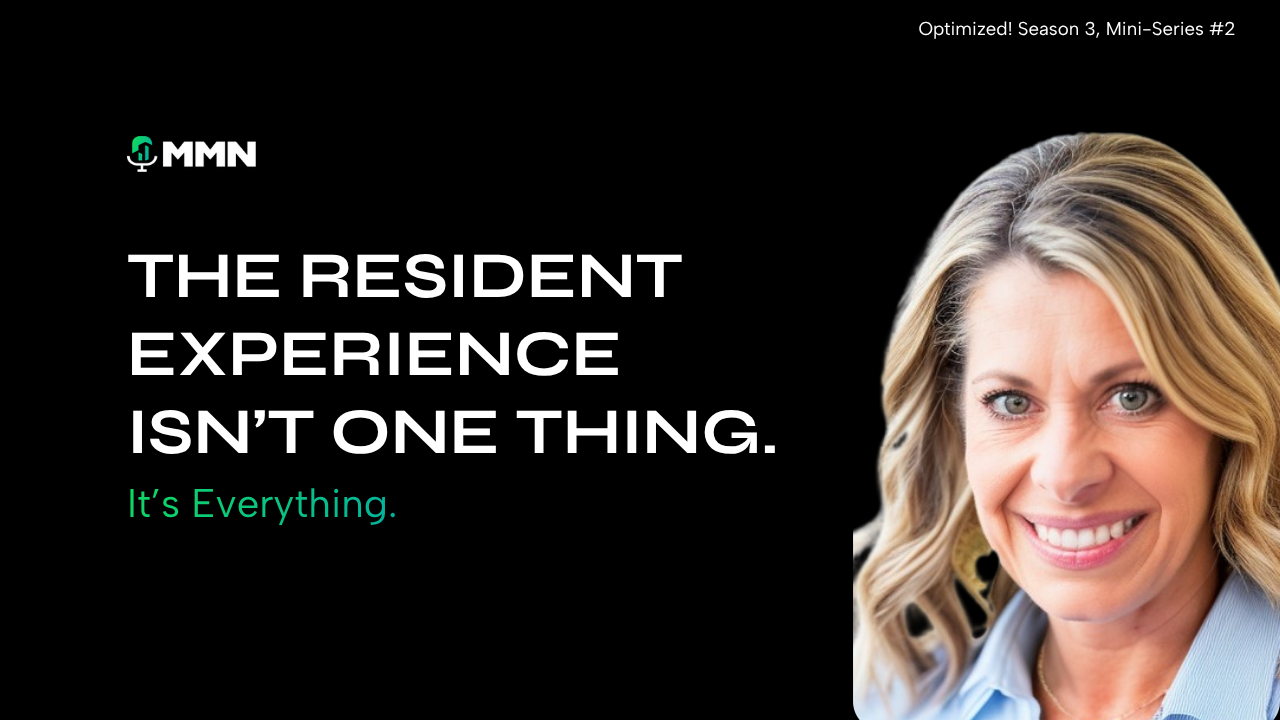
Janet Rosseth hosted a 3-part series about the Resident Experience with Melania Armenta, Lisa Moore, and Anne Baum. Read the blog for all their tips and strategies.
There is a misconception circulating in multifamily that podcasting is just another content channel or marketing experiment. But it misses something fundamental about what happens when it is actually done right.
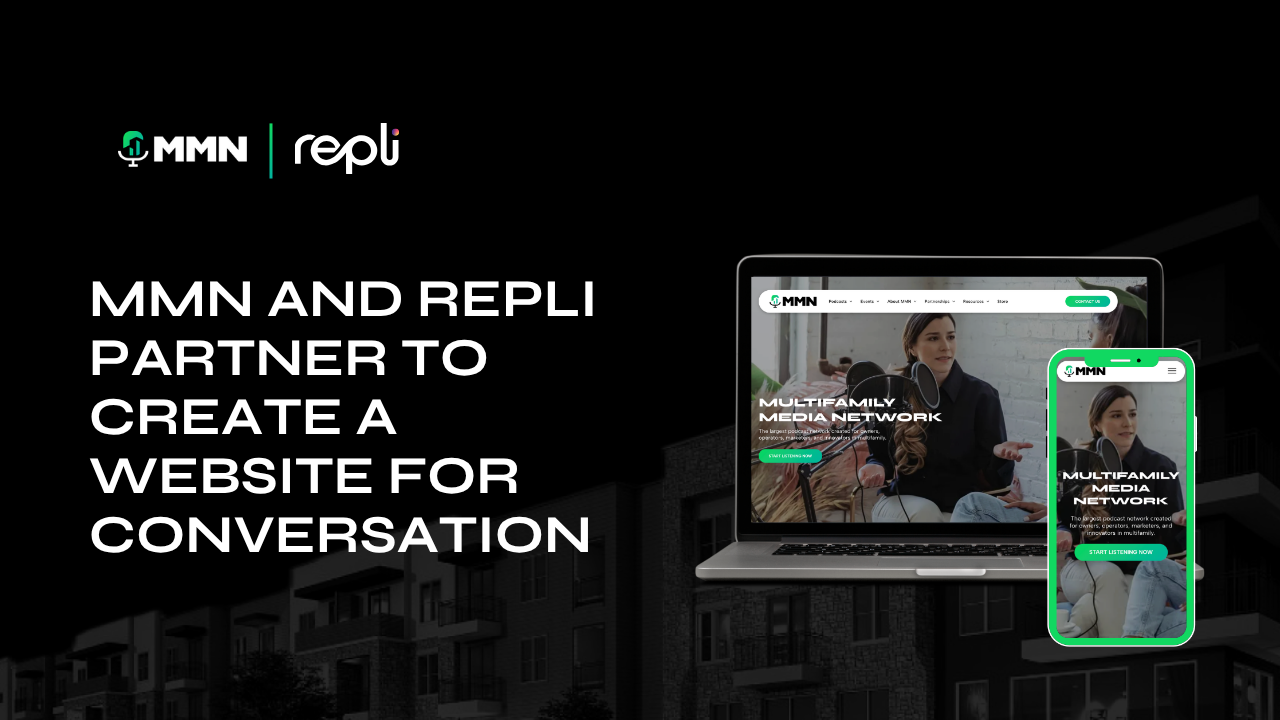
If you've visited the Multifamily Media Network website recently, you may have noticed things look a little different around here. A new logo. A refreshed color palette. An updated site that makes it easy to find the shows, hosts, and conversations you're looking for. This was a full brand and website redesign, and we're pretty excited to share what went into it: Why Now? MMN has grown a lot. More podcasts, more hosts, more industry voices joining the conversation. We needed a digital home that matched the scale of what MMN had become — and a partner who understood how to build it. Who We Worked With We brought in Repli , a proptech company that specializes in building websites for the multifamily industry, whether for boutique apartment operators or property management companies with large-scale portfolios. From December 2025 through March 2026, the Repli team worked closely with MMN's VP of Marketing & Sales, Jennifer Carter, to take the network's mission and translate it into something you could see, navigate, and feel. Building a Brand Identity From the Ground Up The first phase was identity. Repli developed a complete visual system for MMN — new logo, color palette, typography, and design elements flexible enough to live across the website, social media, and promotional materials without losing their cohesion. The brief was simple: it needed to feel like a media network. Bold, modern, and reflective of the energy behind MMN's programming and the community it serves. To keep that consistency as MMN continues to grow, Repli also built out comprehensive brand guidelines and templates — so every future show launch, event promotion, or partnership announcement looks and feels like MMN. A Website Built Around Multifamily Conversations The bigger shift happened on the website itself. Rather than organizing the site around static pages of information, the new experience is built around discovery — the way audiences naturally move through media. You can jump from a podcast page to a host profile, follow that host to other shows they contribute to, and navigate back through written content connected to the same topics. Everything flows. Nothing feels like a dead end. A few things worth highlighting: Every podcast page now includes direct listening links to Spotify, Apple Music, and YouTube — so you can tune in from wherever you already are. Host profiles spotlight the people behind the conversations and connect directly to every piece of content they've contributed to. Category filters across both podcasts and blog articles let you find content relevant to what you care about most. Streamlined contact forms also make it easier than ever for potential guests and partners to reach out and get involved. Behind the scenes, the site is built on Repli's MultiHub platform – an all-in-one marketing hub that gives the MMN team the ability to add content, highlight new shows, and keep the site up to date without needing a developer on standby every time something changes. SEO and AI optimization tools are also built in, helping MMN reach a wider audience across the industry. Want to See the Full Story Behind the Build? More than anything, this rebrand gives MMN a foundation that can grow while positioning it as the central hub for multifamily media and the industry voices shaping what comes next. Want to go deeper on what this project actually involved? Repli put together a full case study walking through every phase of the project and the thinking behind it all.
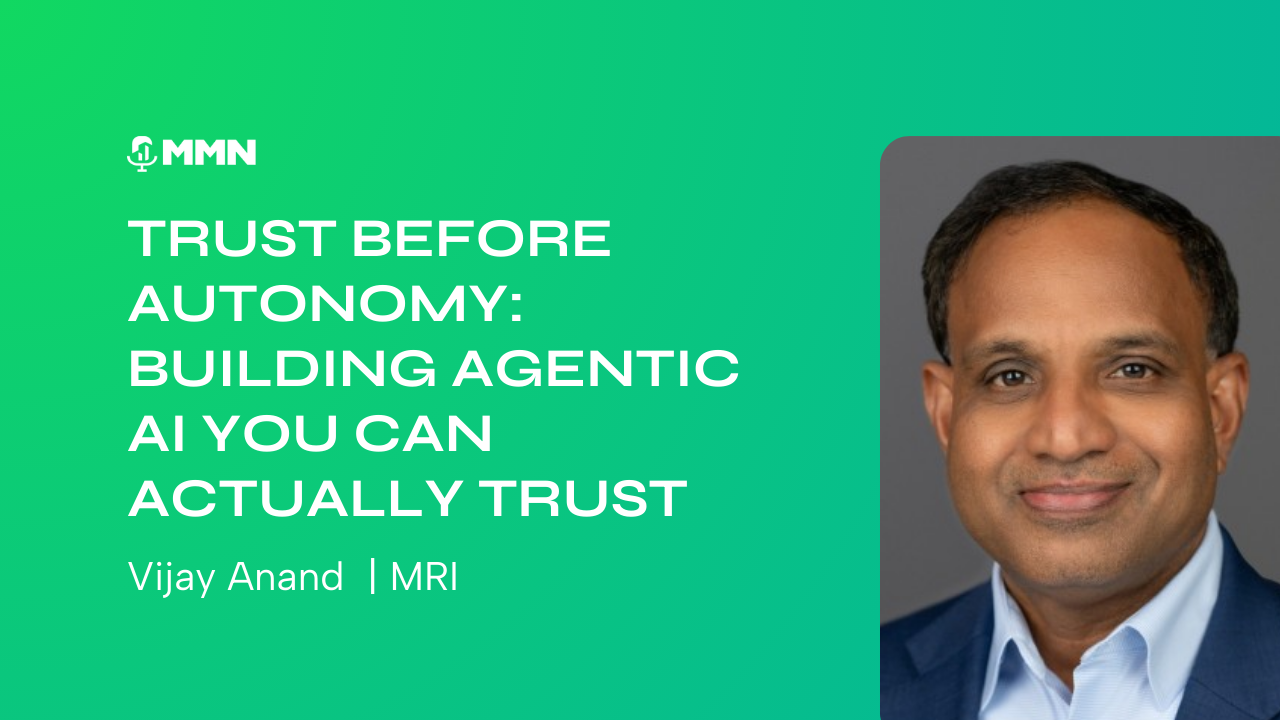
At RETCON 2026, Vijay Anand of MRI Software delivered a clear message to the industry: the next wave of AI isn’t just about capability: it’s about trust. Vijay discussed that AI still needs a human governance, safety guardrails, and auditing and monitoring.
Learn how leaders are separating tech value from noise by prioritizing clarity, aligning operations and IT, and focusing on transparency and AI workflow automation.
Learn why using earlier demand signals and AI can connect teams and unlock organization-wide collaboration, creating a better multifamily revenue strategy.
by: Multifamily Weekend Update At RETCON’s session, “The Centralization Blueprint: Setting Your Organization Up for Success,” moderator Sean Forster , an Industry Principal at AppFolio helped steer the conversation beyond systems and into something more foundational: change. “Technology is a big part of this [centralization],” Forster said. But his bigger point was clear—technology alone doesn’t make centralization work. Centralization today is as much, if not more, about change management as it is about systems. It requires alignment across the organization earlier than most operators expect. Without that alignment, centralization risks feeling like something being done to onsite teams, rather than an investment in them. That distinction matters. When framed correctly, centralization becomes a way to remove friction—not autonomy. It creates space for onsite teams to focus on what they do best: building relationships and delivering better resident experiences. That mindset shift showed up across the panel. CIM Group Vice President of Property Management, Maja Sofic captured the inflection point clearly: “You can tell when leadership stops defending the way things have always been done locally and starts focusing on the enterprise outcome.” It’s less about tools and more about perspective. From there, execution became the challenge and Forster reinforced a key theme echoed by others: “Don’t let perfection get in the way of progress.” Operators who succeed aren’t waiting to design the perfect model. They’re starting small, testing workflows, and iterating quickly. Tasks like deposit processing, tour scheduling, and application approvals become early proving grounds before scaling across a portfolio. Frank McAdams , VP of Innovation at Veris Residential , underscored that same approach: “Don’t get caught in the minutia. Roll something out, learn from it, and refine as you go.” At the same time, centralization is reshaping how teams think about talent. Pegasus Residential , CEO Jackie Ware pointed to a long-standing reality: “That unicorn who can do everything perfectly is rare.” Centralization allows operators to separate responsibilities more intentionally—letting administrative specialists handle workflows while onsite teams stay focused on residents. What’s different now compared to a decade ago is the role of AI. Forster highlighted the maturity of AI as a major inflection point. Tasks that once required centralized back-office teams—or even offshore support—can now be handled through AI-enabled automation. And as Ruchir Baronia noted, operators are now centralizing more than people: “data, processes, and communication channels” are all part of the shift. But even as AI expands what’s possible, the panel stayed grounded in execution. Ware offered a practical reminder: “AI sounds hands-off, but you still need someone responsible for making sure it’s working.” Ultimately, the conversation made one thing clear: Centralization isn’t about removing people. It’s about removing the friction around them. And when that friction is reduced—whether through better alignment, smarter workflows, or AI—onsite teams gain something incredibly valuable: Time. In multifamily, time turns into stronger relationships, better experiences, and communities that feel more connected. That’s not just operational efficiency. That’s a better operating model.
At RETCON, a panel titled “Revolutionizing the Resident Experience: Strategies for a Frictionless Future” brought together leaders from across the multifamily and technology ecosystem to explore a question the industry is increasingly grappling with: what does a truly frictionless resident experience look like — and how do operators actually deliver it? The conversation featured Gigi Giannoni of Gables Residential, of John Carlson Mark-Taylor Companies , Kevin Jacobson of Foxen , and Andrew Dunn of SmartMDU/Calix , each offering a perspective shaped by operations, resident services, and the infrastructure powering modern communities. Across the discussion, one theme emerged quickly: technology itself isn’t the destination — removing friction is. Multifamily teams today are navigating an explosion of proptech platforms, automation tools, and AI-powered solutions. But the panel made it clear that simply adding more technology does not automatically create a better resident experience. In fact, many operators are now dealing with what could best be described as tech stack fatigue, where multiple systems create more complexity for on-site teams rather than less. The smarter approach, according to the panelists, is to start with the resident journey and work backward. Instead of layering technology on top of existing processes, operators should be asking where friction actually exists — and where automation can remove it. When repetitive and administrative tasks are automated, on-site teams gain the time to focus on the work that really drives satisfaction: solving problems, building relationships, and guiding prospects through the leasing process. Another recurring point was that service still matters more than amenities. The industry often equates resident experience with luxury features, but the panel emphasized that great service can be delivered in any asset class. Responsiveness, communication, and reliability often matter more than whether a property has the newest finishes or trendiest amenities. At the same time, expectations are being shaped far outside of multifamily. Residents now compare their housing experience to the convenience of platforms like Amazon, Uber, and DoorDash. They want the ability to self-serve when it’s convenient — scheduling tours, completing applications, or moving in on their own timeline — but they also expect a real person to step in when something goes wrong. Balancing those two expectations is becoming central to modern operations. The discussion also touched on the growing role of data, connectivity, and infrastructure in supporting the resident experience. Connectivity, in particular, is quickly shifting from a perceived amenity to a basic utility — something residents simply expect to work seamlessly from day one. Looking ahead, the panel pointed toward a future where resident services become more connected and centralized. Leasing, communications, move-ins, compliance services, and community support may increasingly live inside a unified ecosystem designed to simplify the resident journey from first tour to renewal. But even with AI, automation, and increasingly sophisticated platforms entering the mix, one point remained clear throughout the conversation: The future of resident experience may be frictionless — but it won’t be -- faceless.
At RETCON 2026, one message came through clearly: centralization in multifamily isn’t a finished strategy—it’s an evolving operational model that requires patience, adaptability, and constant communication. During the session “One Vision, Many Doors: Scaling Multifamily Through Centralization,” industry leaders shared candid lessons about what’s working, what’s still being figured out, and what operators should focus on right now. The panel featured Jackie Impellitier, Kimberly Ramsey , Taryn Lewis , and Dan Smith , with the discussion moderated by LuAnne Acton Ross . Ross guided the conversation while adding perspective from Asset Living’s operational experience, helping frame the discussion around how centralization has evolved across the industry—not just within a single organization. Throughout the session, panelists repeatedly aligned around several key realities that operators are navigating today. Centralization Only Works When Site Teams Trust It One of the most consistent themes was that centralization is less about structure and more about people. Taryn Lewis explained that it often takes “60–90 days for onsite teams to really trust in centralization.” During that early phase, skepticism is normal. But once teams start seeing tangible results—like increased leasing velocity—the model begins to gain credibility. Jackie Impellitier noted that resistance is often tied to concerns about control. “At one point, our teams were actively working against us,” she said. Property managers worried centralization might reduce their ownership of the asset. To move forward, her team had to stay flexible. “We had to adjust every step of the way… and be nimble.” Ross reinforced this point during the discussion, emphasizing that leaders must constantly communicate the purpose behind centralization to avoid creating an “us vs. them” dynamic between centralized teams and onsite staff. Ultimately, the panel agreed: buy-in from onsite teams is the first real milestone of any successful centralization effort. The Model Must Be Flexible—Operationally and Technologically Another strong point of agreement was that centralization is not a one-size-fits-all model. Lewis shared that Avenue5 quickly discovered different communities require different approaches depending on demographics, staffing structures, and operational demands. That sometimes meant redefining traditional roles. In some cases, centralized leaders support communities without carrying the traditional “property manager” title. What matters most is operational function—not hierarchy. Technology adds another layer of complexity. “The tech stack is the most complex it has ever been in multifamily,” Impellitier said. With AI and automation beginning to influence leasing workflows, invoices, and renewals, operators are navigating an increasingly crowded landscape. Lewis stressed that every new tool must reduce friction. “Every tool has to work for the team,” she explained. “Don’t introduce complexity.” Dan Smith agreed that technology will reshape leasing in particular. “You don’t need teams to respond to certain things anymore,” he said. Automation will increasingly handle routine communication, allowing onsite teams to focus more on resident experience. Success Is Measured Beyond Cost Savings While centralization often begins as an efficiency strategy, the panelists emphasized that the real measure of success is much broader. Kimberly Ramsey shared that KETTLER tracks traditional KPIs like delinquencies, renewals, and leasing performance. But the company also evaluates larger indicators like employee retention and resident experience. Lewis said Avenue5 initially focused heavily on operational metrics like hours saved and efficiencies gained. Over time, their thinking evolved. “Employee satisfaction is just as important as resident satisfaction,” she said. For companies that implemented centralization early and are now struggling to evolve, the panel offered consistent advice: stay flexible and keep communicating. “Nobody has it all worked out,” Ramsey said. Impellitier closed with a reminder that resonated across the panel: operators must design their systems with the future in mind. “Don’t let early wins become the glass ceiling,” she said. “Prepare for what’s next—not just what’s now.”